Bone Biology and Mechanistic Research


We uncover the biological mechanisms behind rare bone and mineral disorders, translating genetic discoveries from patients and population studies into insights through molecular, cellular and animal research.

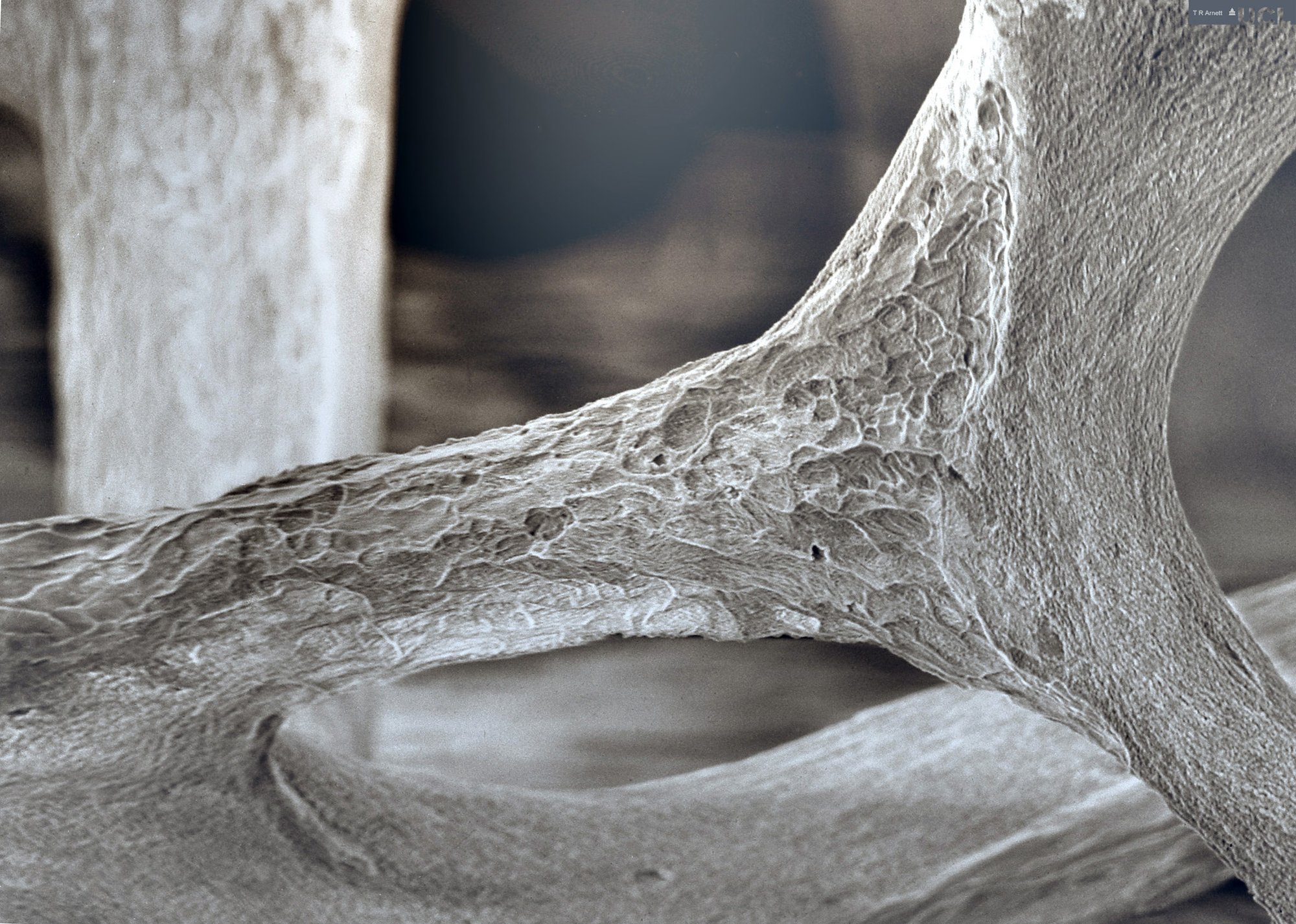
Osteoporotic bone. Bone surface is eroded by bone resorbing osteoclasts

Osteoporosis 

Osteoporosis is a common skeletal condition that is associated with progressive bone loss and risk of fractures. One in three women will sustain a fracture above the age of 50, where this is one in five for men. Worldwide, every 3 seconds someone fractures a bone. These many fractures have a large impact on quality of life as well as health care budget.  

In our lab, we have different cell models to study the behaviour of bone formation (osteoblasts) and bone resorption (osteoclasts), in which we can investigate new mechanisms and genes related to bone metabolism and study the impact of compounds or therapeutics. 

Development of pharmaceutical and lifestyle interventions as prevention or as treatment is important and requires an optimal knowledge in etiology and mechanisms of development of osteoporosis but also of other bone diseases. 
Regeneration of bone 

Among the many fractures, about 10% constitute larger defects or do not heal (non-union). Needless to say, bone implants and knowledge of the fracture healing process is needed. We aim to characterise the mechanisms behind bone cell differentiation and underlying bone formation and degradation using human bone cell models. Using a broad range of molecular, cellular and technical approaches, we gain insight into diseases where bone formation is not well controlled (osteoporosis, craniosynostosis) or during fracture healing. For example, we are studying the impact of extracellular protein coatings on implant materials to improve osseointegration, which could even be derived from preparations of human bone itself.  

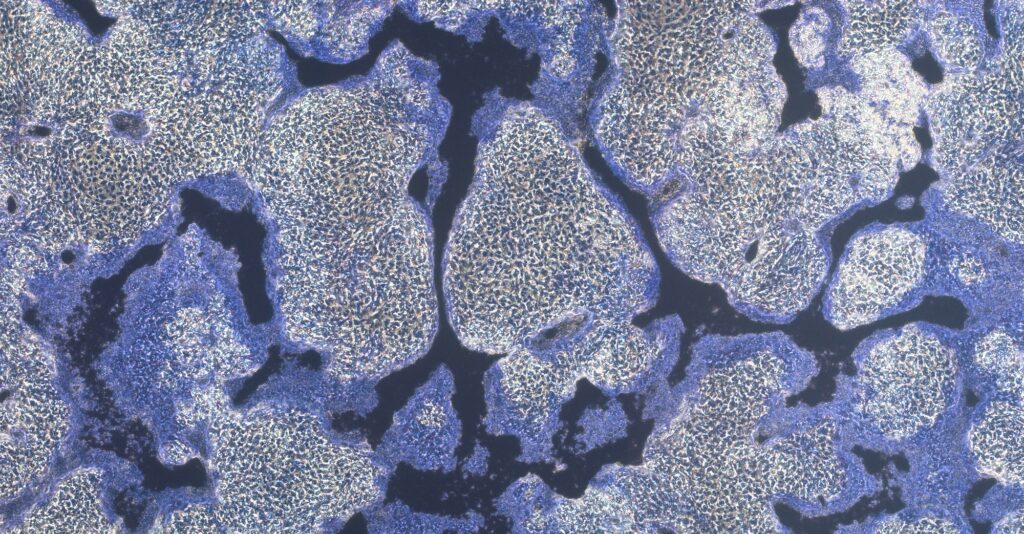
Bone formation by osteoblasts in culture. Blue: unmineralized bone matrix; black: mineralized bone matrix.
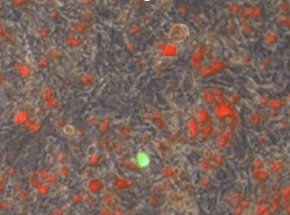
Dormant prostate cancer cell (green) in mineralized bone (orange) formed by human osteoblasts in vitro.

Bone Metastases 

Bone is a preferential site for metastatic cancer. Cellular interaction of cancer cells with bone cells leads to a vicious cycle of bone destruction and cancer cell growth. When in the bone micro-environment, metastasized cancer cells are resistant to therapies, Therefore, there is a great need for novel therapeutic approaches as well as knowledge of the complex crosstalk of cancer cells and bone cells.  

Current research lines include the study of prostate cancer cell dormancy and awakening in the bone micro-environment, which are crucial processes in the development of bone metastases. Next to vitamin D, new therapeutics are explored via  valorisation of residual horticulture flows and in vitro screening of the Dutch Extract Library as well as the potential of drug repurposing. Also, biomarkers for bone metastases in lung cancer patients are studied via extracellular vesicle characterization in blood of patients. 

Rare Bone Diseases 

We investigate the molecular mechanisms of rare, monogenic human diseases of disturbed bone and mineral metabolism as well as  candidate bone  anabolic genes derived 

Projects

Team members